Why Do Car Batteries Fail So Quickly in Florida, and How Can I Prevent It?

August 2, 2026

candsauto-9555-websiteredesign

Driving in Florida comes with its unique set of challenges for car owners. While sunny skies and warm weather are a perk, they can also be tough on your vehicle’s battery. Many drivers in Cape Coral, Fort Myers, and the surrounding Lee County area have experienced car batteries dying unexpectedly, leaving them stranded on the road. Understanding why this happens and how to prevent it is essential for avoiding costly repairs and inconvenient breakdowns.

Why Florida’s Climate Drains Car Batteries

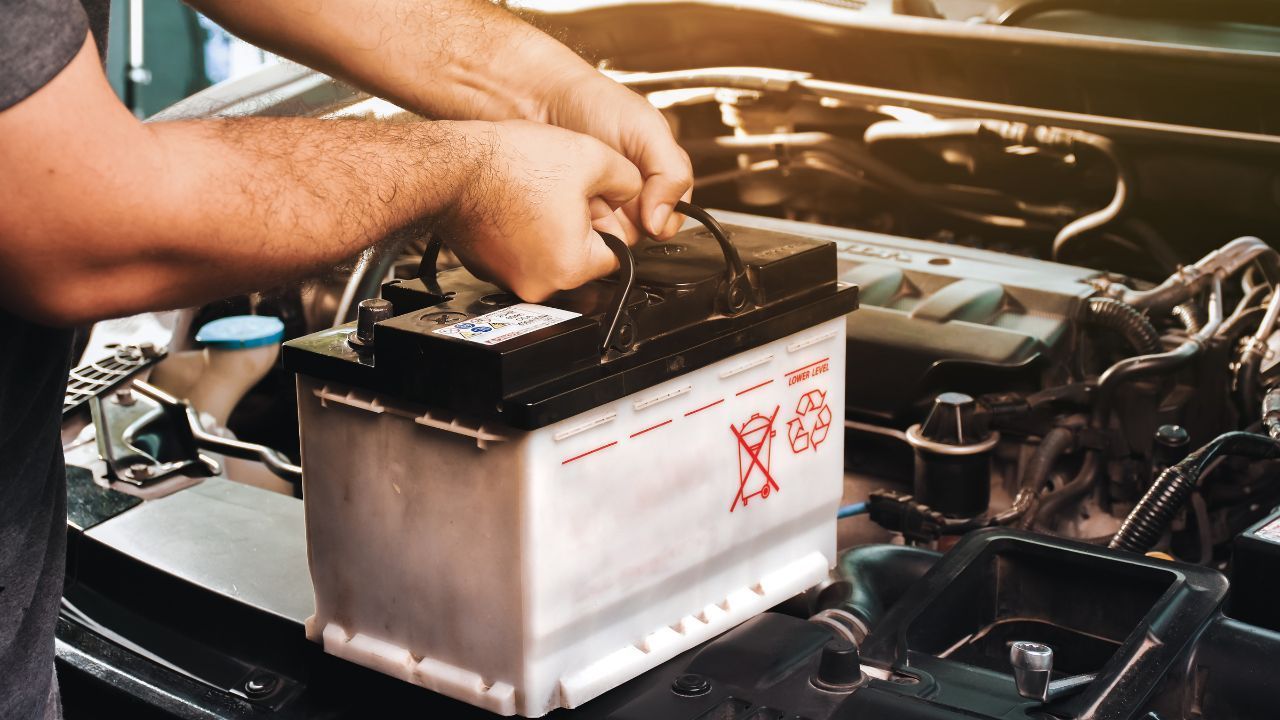
The hot, humid climate in Florida puts extra stress on car batteries. High temperatures accelerate chemical reactions inside the battery, which can cause the electrolyte to evaporate faster and degrade the internal plates. Over time, this leads to reduced battery capacity and a higher risk of failure.

Additionally, Florida’s humidity can lead to corrosion on battery terminals. Even a small amount of corrosion can increase electrical resistance, making it harder for the battery to deliver power when your engine starts. For drivers, this means more frequent jump-starts and unexpected failures.

It’s not just heat. Frequent short trips common in urban areas or coastal towns mean your battery doesn’t fully recharge, which compounds the problem. These combined factors are why batteries in Florida tend to fail sooner than in cooler climates.

Symptoms of a Weak or Failing Battery

Recognizing the warning signs of a failing battery can save you from being stranded. Common symptoms include:

  • Slow engine crank: Your car struggles to start, especially in the mornings or after sitting in the sun.
  • Dim headlights and electrical issues: Interior lights, dashboard indicators, and accessories may appear weaker than normal.
  • Swelling or leaking battery case: Heat can cause the battery casing to expand or leak, signaling a serious issue.
  • Check engine or battery warning lights: Modern vehicles detect low voltage or charging problems.

If you notice these signs, it’s important to have your battery tested immediately. Early detection often prevents a complete breakdown.

How Engine Diagnostics Can Identify Battery Problems

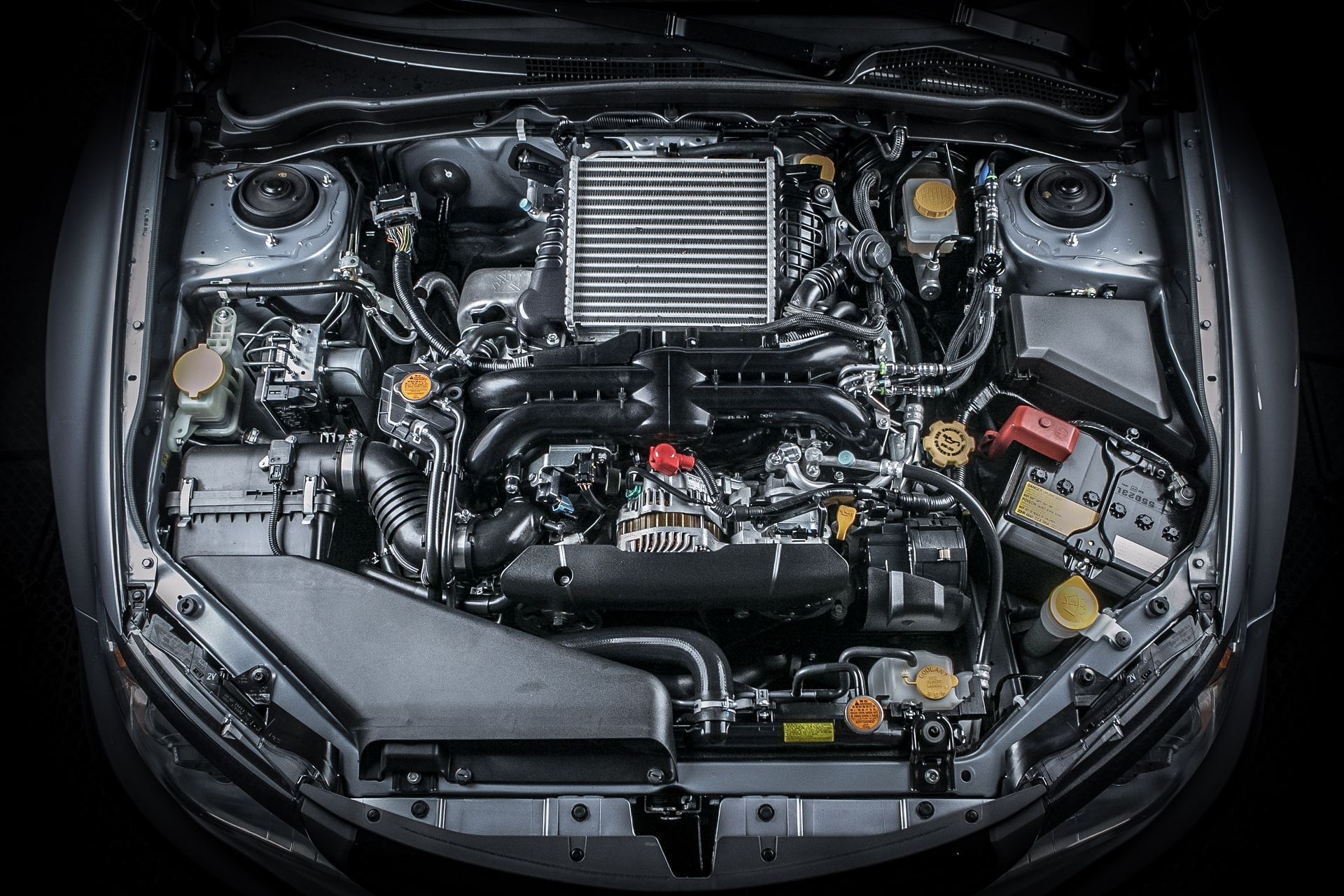
Regular engine diagnostics can help detect underlying issues that affect battery life. Sometimes, a failing battery isn’t the only problem. Issues like a malfunctioning alternator, loose connections, or parasitic electrical draws can all lead to premature battery failure.

At Premier Auto Service Center, we use comprehensive diagnostics to identify these hidden problems. Our team checks the charging system, alternator performance, and overall electrical health to ensure your battery is receiving proper support. Catching these issues early can extend battery life and prevent unexpected failures.

Preventive Steps to Extend Battery Life in Florida

Fortunately, there are practical steps you can take to protect your battery from Florida’s challenging conditions.

1. Schedule Regular Battery Testing

Routine battery testing is the most effective way to monitor health. A simple voltage check or load test can indicate whether the battery is losing capacity. We recommend testing at least twice a year, especially before summer when temperatures peak.

2. Keep Terminals Clean and Tight

Corrosion on battery terminals can prevent proper electrical flow. Regularly inspect and clean the terminals with a baking soda solution or terminal cleaner. Ensure all connections are tight to maintain optimal performance.

3. Limit Short Trips

Short trips prevent the battery from fully recharging. When possible, combine errands or take longer drives periodically to allow your battery to reach full charge.

4. Avoid Excessive Heat Exposure

Parking in shaded areas or using a sunshade reduces direct heat exposure. Although it won’t eliminate the problem entirely, minimizing heat can slow down chemical degradation inside the battery.

5. Disconnect Electronics When Idle

Leaving lights, infotainment systems, or phone chargers on while the engine is off can drain the battery. Being mindful of your electrical usage prevents unnecessary discharge.

Why Professional Battery Services Matter

Even with preventive care, car batteries wear out. Professional services, including testing, replacement, and system checks, are essential for reliability. Our team at Premier Auto Service Center ensures that new batteries are installed correctly and compatible with your vehicle’s specifications.

We also provide engine diagnostics to uncover hidden issues that could affect battery performance, from alternator faults to wiring problems.

Choosing the Right Battery for Florida Vehicles

Not all batteries are built to withstand Florida’s heat. When selecting a replacement, consider:

  • Battery type: Opt for AGM (Absorbent Glass Mat) batteries when possible—they handle heat better than traditional lead-acid batteries.
  • Cold cranking amps (CCA): Ensure the battery provides sufficient power to start your engine reliably.
  • Warranty and quality: Choose reputable brands with strong warranties for peace of mind.

Our team at Premier Auto Service Center can recommend the right battery for your vehicle and climate, install it professionally, and test the system afterward to guarantee reliability.

Common Misconceptions About Battery Life

Many drivers assume that a car battery should last forever or that extreme heat doesn’t significantly affect it. In reality, battery life can range from 3 to 5 years in Florida, often shorter if preventive measures aren’t taken. Misunderstanding this can lead to unexpected breakdowns and emergency replacements, which are often more costly than planned maintenance.

Frequently Asked Questions

Why do car batteries fail faster in Florida?

Florida’s hot and humid climate accelerates chemical reactions inside batteries, causing faster wear and electrolyte loss. High temperatures, combined with short trips and humidity, increase the risk of premature failure.

How often should I have my battery tested?

For Florida drivers, we recommend battery testing at least twice a year, ideally before summer and winter. Testing can catch issues early and prevent unexpected breakdowns.

Can a bad alternator cause battery problems?

Yes. A malfunctioning alternator may not charge the battery properly, leading to frequent failures even if the battery itself is relatively new. Engine diagnostics can identify this hidden issue.

Are all batteries suitable for Florida weather?

No. AGM (Absorbent Glass Mat) batteries are better suited for hot climates than standard lead-acid batteries. Proper selection ensures longer life and more reliable performance.

What are the signs my battery is failing?

Common signs include slow engine crank, dim lights, swollen or leaking battery casing, and dashboard battery or check engine warnings. Addressing these signs early can prevent roadside emergencies.

Can I extend battery life with preventive maintenance?

Absolutely. Regular testing, terminal cleaning, limiting short trips, parking in shade, and minimizing electrical usage while the engine is off all help extend battery life in Florida.

Schedule Your Battery Check Today

Don’t wait until your battery leaves you stranded. Regular maintenance, professional diagnostics, and choosing the right battery can dramatically extend life and ensure dependable vehicle operation.
Contact Premier Auto Service Center today to schedule a battery test or engine diagnostic. Stay ahead of failures and enjoy reliable driving across Cape Coral, Fort Myers, and the surrounding areas.


By candsauto-9555-websiteredesign June 30, 2026
Learn how Premier Auto Service Center supports Cape Coral and Fort Myers through school donations, local outreach, veteran support, holiday giving, and honest auto repair.
When Should I Have My Brakes Inspected or Repaired in Cape Coral? - Premier Auto Service Center
June 4, 2026
At Premier Auto Service Center, we recommend having your brakes checked during routine maintenance visits, such as oil changes or tire rotations.
By Jennifer Filzen April 30, 2026
Why is car battery replacement in newer vehicles more complicated? Learn what’s changed, the risks of DIY, and when to trust the pros in Cape Coral.
By candsauto-9555-websiteredesign March 31, 2026
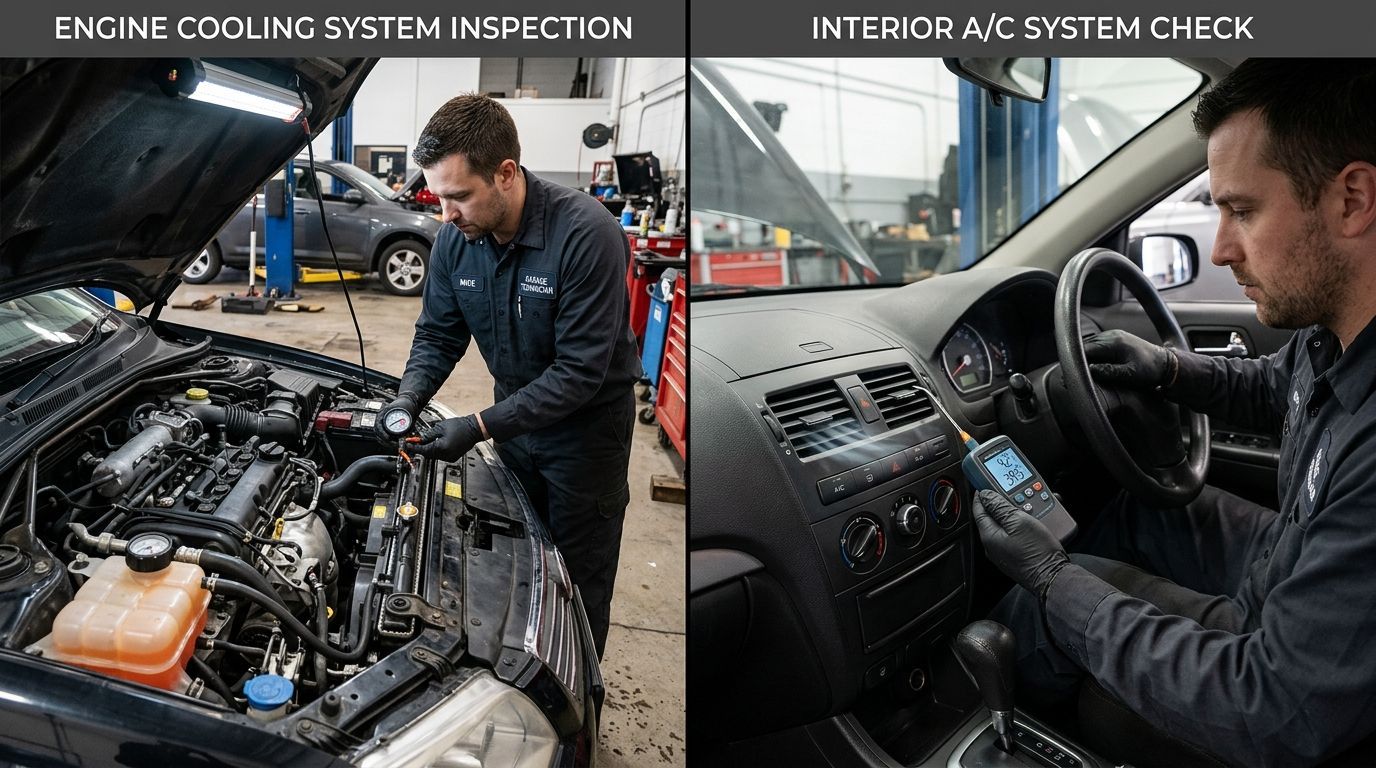
Why Understanding Your Vehicle’s Systems Matters Living in Cape Coral, Florida, drivers know just how important it is to keep their vehicles running cool—both inside the cabin and under the hood. With our year-round sunshine and high humidity, two systems in your car work especially hard: the engine cooling system and the air conditioning system. But many drivers assume they’re the same thing. In reality, understanding the Car Cooling System vs A/C System can help you recognize problems sooner, avoid costly repairs, and stay comfortable on the road. While both systems involve temperature control, they serve very different purposes. At Premier Auto Service Center, we often see drivers confused about whether an issue is related to the cooling system or the air conditioning. Knowing the difference between a Car Cooling System vs A/C System can help you explain symptoms to your technician and ensure your vehicle gets the right repair. Let’s take a closer look at how each system works and why both are essential for your vehicle’s performance and comfort. What Is a Car Cooling System? When discussing the Car Cooling System vs A/C System, it’s important to start with the engine cooling system. This system is responsible for regulating your engine’s temperature and preventing it from overheating. Your engine produces a tremendous amount of heat while running. Without a cooling system, those temperatures would quickly rise high enough to damage critical engine components. Key Components of the Cooling System Your vehicle’s cooling system includes several important parts that work together: Radiator – Dissipates heat from the coolant Coolant (antifreeze) – Absorbs and transfers heat away from the engine Water Pump – Circulates coolant throughout the engine Thermostat – Regulates engine temperature Cooling Fans – Help remove heat from the radiator Hoses and Reservoir – Transport and store coolant When comparing the Car Cooling System vs A/C System, the cooling system focuses entirely on engine protection. Signs of Cooling System Problems Because the cooling system protects your engine, issues with it should never be ignored. Common warning signs include: Engine overheating Steam coming from under the hood Coolant leaks Sweet smell from antifreeze Temperature gauge running hot If you notice these symptoms, it’s important to schedule service immediately. Engine overheating can lead to serious and expensive damage if left unresolved. What Is a Car A/C System? Now let’s look at the other side of the Car Cooling System vs A/C System comparison: the air conditioning system. Unlike the cooling system, your car’s A/C system isn’t designed to protect the engine. Instead, it cools the air inside the cabin to keep you and your passengers comfortable. During Florida’s hot summers, this system becomes essential. Key Components of the Car A/C System The air conditioning system relies on several specialized components: Compressor – Pressurizes refrigerant Condenser – Releases heat from refrigerant Evaporator – Absorbs heat from the cabin air Refrigerant – The cooling fluid circulating through the system Expansion Valve or Orifice Tube – Controls refrigerant flow When explaining the Car Cooling System vs A/C System, the biggest difference is that the A/C system manages cabin comfort, not engine temperature. Signs of A/C System Problems A failing air conditioning system usually presents itself through comfort-related issues such as: Air not blowing cold Weak airflow from vents Strange smells from the vents Clicking noises when the A/C runs Moisture buildup inside the vehicle At Premier Auto Service Center, our ASE-certified technicians diagnose these issues quickly to restore your comfort on the road. Car Cooling System vs A/C System: The Key Differences Understanding the Car Cooling System vs A/C System helps drivers recognize which system might be causing an issue. Here’s a simple breakdown. Purpose Cooling System: Keeps the engine from overheating. A/C System: Keeps the vehicle’s interior cool and comfortable. Fluids Used Cooling System: Uses coolant or antifreeze. A/C System: Uses refrigerant. Main Components Cooling System: Radiator, thermostat, coolant, water pump. A/C System: Compressor, condenser, evaporator. Location of Cooling Effect Cooling System: Inside the engine. A/C System: Inside the vehicle cabin. Even though the Car Cooling System vs A/C System operate separately, they can influence each other in certain situations. Can One System Affect the Other? This is a common question we hear from customers at Premier Auto Service Center. While they serve different purposes, the Car Cooling System vs A/C System are connected in some ways. For example: If your engine overheats, the vehicle may automatically shut off the A/C to reduce strain on the engine. The radiator and A/C condenser sit close together, meaning airflow affects both systems. Cooling fans often assist both systems in removing heat. This is why problems with the cooling system can sometimes make it seem like your air conditioning is failing. When drivers understand the relationship between the Car Cooling System vs A/C System, diagnosing issues becomes much easier. Seasonal Maintenance Tips for Florida Drivers Florida’s climate can put extra strain on both systems. That’s why routine maintenance is key to keeping your vehicle running smoothly. Here are a few preventative tips our team recommends: Schedule Cooling System Inspections Your cooling system should be inspected regularly to ensure coolant levels, hoses, and the radiator are functioning properly. Replace Coolant at Recommended Intervals Over time, coolant breaks down and loses effectiveness. Flushing and replacing coolant prevents overheating. Test Your A/C Before Summer Don’t wait until temperatures soar. Have your air conditioning system checked early in the season. Watch for Early Warning Signs Strange noises, weak cooling, or temperature fluctuations are all signs that service may be needed. Routine service helps prevent costly repairs and keeps both sides of the Car Cooling System vs A/C System operating efficiently. Why Professional Diagnostics Matter Modern vehicles are more complex than ever. Diagnosing problems related to the Car Cooling System vs A/C System requires specialized tools and training. At Premier Auto Service Center, our ASE-certified technicians perform detailed inspections to pinpoint the exact cause of the problem. We check: Cooling system pressure Radiator performance Thermostat operation Refrigerant levels Compressor functionality Our goal is simple: provide honest recommendations and reliable repairs that keep your vehicle safe and comfortable. Frequently Asked Questions Is the cooling system the same as the air conditioning system? No. The Car Cooling System vs A/C System perform completely different functions. The cooling system protects your engine from overheating, while the A/C system cools the air inside the cabin. Can a bad cooling system affect my A/C? Yes. In some cases, engine overheating can cause the vehicle to shut down the air conditioning system to protect the engine. Why does my car overheat when the A/C is on? This can happen if the cooling system is already under strain. A failing radiator, weak fan, or low coolant may be the cause. How often should my cooling system be serviced? Most vehicles benefit from a cooling system inspection at least once a year or every 12,000 miles. How often should my A/C system be checked? We recommend testing your air conditioning system before the start of summer to ensure it’s ready for Florida’s heat. Trust Premier Auto Service Center for Cooling & A/C Repairs Whether you’re dealing with engine overheating or an air conditioner that isn’t blowing cold, understanding the Car Cooling System vs A/C System is the first step toward solving the problem. At Premier Auto Service Center in Cape Coral, we’re proud to provide honest, reliable service for local families, retirees, and working professionals throughout Lee County.Our team is committed to keeping your vehicle running safely and comfortably year-round. If you suspect an issue with your cooling system or air conditioning, don’t wait until the problem gets worse.  Schedule your appointment today with Premier Auto Service Center and let our experienced technicians keep your vehicle cool, reliable, and road-ready.
By Jennifer Filzen March 1, 2026
Before you get a repair quote, your vehicle needs a diagnostic. Learn why diagnostics are needed before a repair quote, how it saves you money, and what to expect during the process.
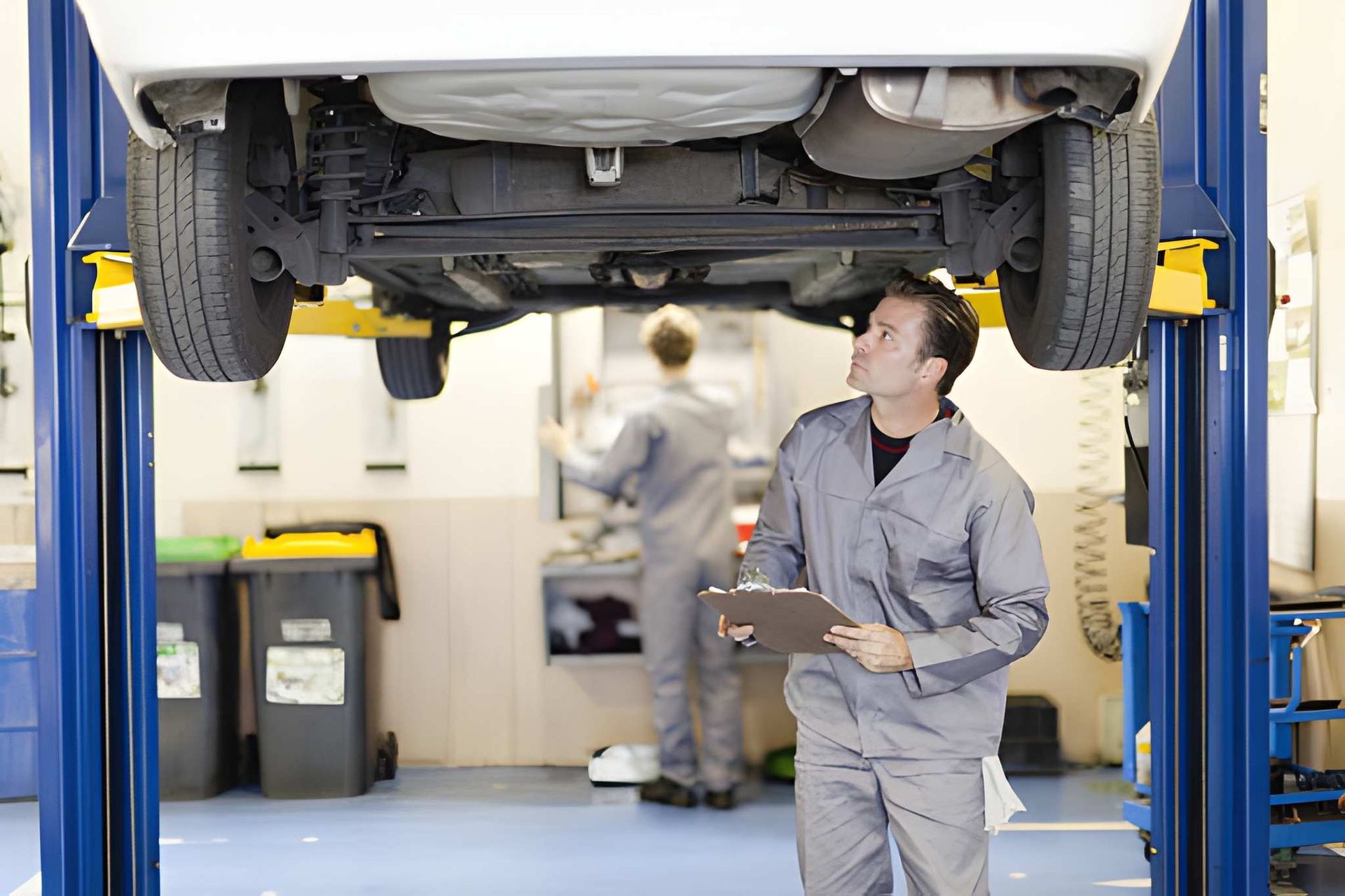
Mechanic inspecting car raised on a lift; another worker in the background, auto shop interior. | Premier Auto Service Center of SW Florida LLC
February 4, 2026
Learn how rodent car damage and other animal activity can affect your car, warning signs to watch for, and how Premier Auto Service Center in Cape Coral can help protect your vehicle.
Blog | Premier Auto Service Center
September 30, 2025
Introduction As the skies shift and temperatures fall (at least a bit), Fall is a great time to give your vehicle some extra attention. ...
Blog | Premier Auto Service Center
August 31, 2025
September in Cape Coral means the height of Florida’s rainy season, with daily downpours, sudden storms, and sky-darkening clouds that can ...
Blog | Premier Auto Service Center
July 31, 2025
If you’ve spent any time in Cape Coral this summer, you know one thing for sure — your car’s A/C has been working overtime. With average ...
Blog | Premier Auto Service Center
June 30, 2025
We’ve all been there — coffee cups rolling around, receipts piling up, and that elusive phone charger slipping between the seats. If your ...