What Critters Could Be Doing to My Vehicle?
If you’ve ever gotten into your car and noticed a strange smell, warning lights that weren’t there yesterday, or unexplained damage under the hood, you’re not alone. Here in Southwest Florida, wildlife and small pests are part of everyday life—and sometimes, they see your vehicle as the perfect place to call home.
At Premier Auto Service Center in Cape Coral, we regularly see rodent car damage and other critter-related issues that catch drivers completely off guard. What starts as a small nest or chewed wire can quickly turn into a costly and frustrating repair if it goes unnoticed.
In this blog, we’ll break down what critters could be doing to your vehicle, why it happens so often in Florida, how to spot the warning signs early, and what you can do to prevent serious damage.
Why Critters Are Attracted to Vehicles
Your car may look like just a mode of transportation to you, but to animals, it can be warm, quiet, protected, and full of tempting materials. Critters are especially drawn to vehicles that sit unused for days or weeks at a time.
Some common reasons animals target vehicles include:
- Warmth from the engine bay
- Shelter from rain, predators, and heat
- Soft materials for nesting
- Food smells left behind in the cabin
- Modern wiring insulation, which some rodents find appealing to chew
This combination makes your car an ideal hiding spot—especially during seasonal changes or storms.
The Most Common Critters That Damage Vehicles
Rodents (Mice, Rats, and Squirrels)
Rodents are by far the biggest offenders when it comes to rodent car damage. They chew through wiring, hoses, and insulation, often targeting engine wiring harnesses and fuel lines.
This type of damage can lead to:
- Check engine lights
- Electrical failures
- Poor performance
- No-start conditions
- Fire hazards in severe cases
Raccoons and Opossums
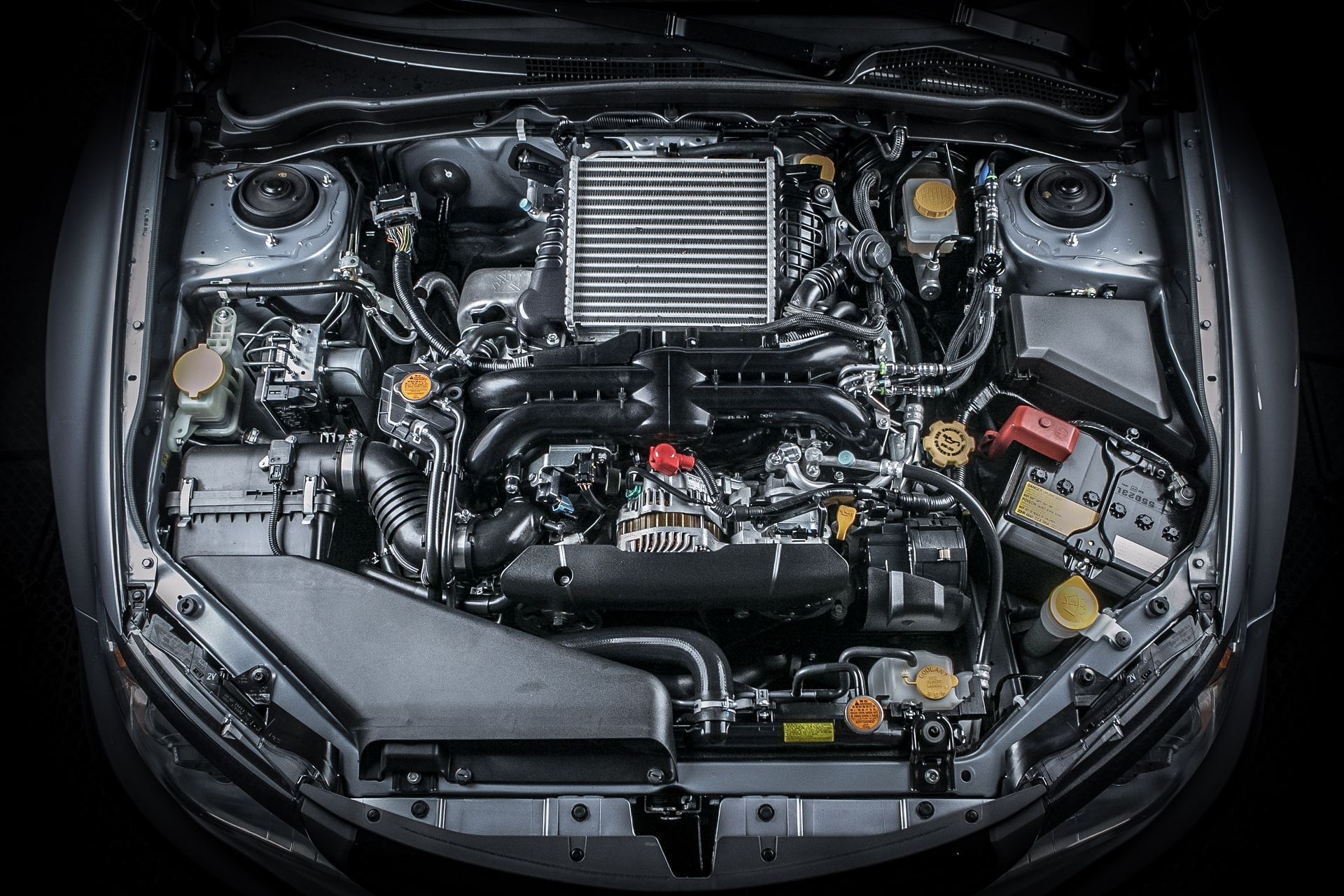
Larger animals like raccoons can climb into engine bays and cause physical damage while searching for warmth or food. They may tear insulation, dislodge components, or leave behind debris and droppings.
Birds
Birds may nest under hoods, in vents, or near windshield wipers. Nesting materials can block airflow, cause overheating, and create unpleasant odors.
Insects and Wasps
Insects can build nests in vents, mirrors, or under trim panels. While smaller, these nests can interfere with airflow and sensors and may pose a safety issue if disturbed.
How Rodent Car Damage Impacts Your Vehicle
Many drivers underestimate just how serious rodent car damage can be. What looks like a minor issue can quickly escalate into a major repair.
Some of the most common problems we see include:
- Chewed electrical wiring, causing warning lights and sensor failures
- Damaged fuel or vacuum lines, leading to poor engine performance
- Blocked air intakes, causing overheating
- Electrical shorts, which can drain batteries or prevent starting
- Interior contamination, including droppings, urine, and nesting debris
Left untreated, rodent-related issues can lead to breakdowns, unsafe driving conditions, and expensive repairs.
Warning Signs There May Be Critters in Your Car
Catching critter activity early can save you time, money, and stress. Watch for these common red flags:
- Strange smells (especially musty or urine-like odors)
- Unusual engine noises or scratching sounds
- Check engine or warning lights appearing suddenly
- Visible nesting material under the hood
- Chewed wires or insulation
- Droppings in the engine bay or cabin
- Air conditioning not working properly
If you notice any of these signs, it’s important to have your vehicle inspected as soon as possible. Ignoring early symptoms often allows rodent car damage to worsen quickly.
Why Florida Vehicles Are Especially at Risk
Southwest Florida’s climate plays a big role in critter-related vehicle damage. Warm temperatures year-round mean animals don’t need to migrate, and storm season often drives them to seek shelter in vehicles.
Additional risk factors include:
- Outdoor parking
- Vehicles parked near trees or water
- Seasonal snowbirds leaving their cars unused
- Garages with open access
- Food or trash left inside vehicles
At Premier Auto Service Center, we frequently see critter damage increase after storms or during periods when vehicles aren’t driven regularly.
How to Prevent Critters from Damaging Your Vehicle
While no method is foolproof, these steps can significantly reduce the risk of rodent car damage:
Drive Your Vehicle Regularly
Cars that sit unused are more likely to become nesting spots. Even short, regular drives can discourage animals from settling in.
Keep the Area Clean
Avoid leaving food wrappers, pet food, or trash in your car or garage. Cleanliness helps remove scent trails that attract pests.
Park Smart
Whenever possible, park in a closed garage. If parking outdoors, avoid areas near tall grass, trees, or water.
Pop the Hood Occasionally
Opening the hood can disrupt nesting behavior and expose potential issues early.
Schedule Regular Inspections
Routine inspections help catch damage before it becomes severe. Our team checks for signs of critter activity during many standard services.
You can learn more about our preventative maintenance approach on our auto maintenance services page.
What to Do If You Suspect Rodent Car Damage
If you believe animals may have gotten into your vehicle, avoid driving it until it’s inspected—especially if warning lights are present. Driving with chewed wiring or damaged fuel lines can be dangerous.
At Premier Auto Service Center, our technicians are trained to identify rodent car damage, repair affected components, and help prevent repeat issues. We take the time to explain what we find and prioritize safety and reliability.
For peace of mind, schedule a professional inspection through our vehicle diagnostics service.
Frequently Asked Questions
Can rodent car damage be expensive to fix?
Yes. Repair costs vary depending on the extent of the damage. Electrical repairs caused by rodent car damage can range from minor fixes to major harness replacements.
Will insurance cover animal damage?
Some comprehensive insurance policies may cover animal-related damage. It’s best to check with your provider.
How quickly can rodents cause damage?
In some cases, damage can occur in just a few hours or overnight.
Is critter damage dangerous?
Yes. Chewed wiring and fuel lines can create fire risks or cause sudden vehicle failure.
Why Choose Premier Auto Service Center
As a family-owned shop serving Cape Coral and the surrounding areas, we understand local driving conditions—and local wildlife. Our ASE-certified technicians provide honest inspections, clear communication, and reliable repairs you can trust.
Whether you need a routine checkup or help addressing rodent car damage, we’re here to protect your vehicle and your peace of mind. Learn more about our team and values on our About Us page.
Schedule Your Inspection Today
Critter damage often hides where you can’t see it—until it becomes a big problem. If you’ve noticed warning signs or simply want peace of mind, now is the time to act.
📍
Visit us at: 3916 Chiquita Blvd. S., Cape Coral, FL
📞
Call: (239) 471-7049
🖥️
Schedule online: premierautoofswfl.com
At Premier Auto Service Center, we treat your vehicle like family—keeping it safe, reliable, and critter-free.