Your brakes are one of the most important safety systems in your vehicle. Every time you drive through Cape Coral traffic, stop at an intersection, or head out during Florida’s rainy season, you rely on your brakes to respond instantly and safely.
But many drivers are not sure when it is actually time to schedule a brake inspection or repair. Some wait until they hear grinding noises. Others ignore warning signs because the vehicle still seems to stop normally.
The truth is that brake problems often begin long before major symptoms appear.
At Premier Auto Service Center, we believe brake safety starts with education and preventive care. Knowing what to watch for can help you avoid costly repairs, protect your family, and keep your vehicle performing the way it should.
Here is what every Cape Coral driver should know about brake inspections and brake repair.
Why Brake Inspections Matter
Your braking system does much more than simply stop your vehicle. It helps maintain stability, steering control, and overall driving safety.
Over time, brake components naturally wear down from heat, friction, and daily driving. Florida driving conditions can make this happen even faster because stop-and-go traffic, high temperatures, and moisture all place additional stress on your brake system. Routine brake inspections help identify problems early before they become dangerous or expensive.
A professional brake inspection can help detect:
- Worn brake pads
- Damaged rotors
- Brake fluid issues
- Brake caliper problems
- Uneven brake wear
- Leaks in the brake system
Catching these issues early often means simpler and more affordable repairs.
How Often Should Brakes Be Inspected?
A good rule of thumb is to have your brakes inspected at least once a year or every 12000 miles.
However, some vehicles may need inspections more frequently depending on:
- Driving habits
- Traffic conditions
- Towing or hauling
- Vehicle type
- Brake system design
In Cape Coral, frequent short trips and heavy traffic can cause brakes to wear faster than expected. If you spend a lot of time driving locally or sitting in stop-and-go traffic, your brake system may experience increased wear.
At Premier Auto Service Center, we recommend having your brakes checked during routine maintenance visits, such as oil changes or tire rotations.
Signs You May Need Brake Repair
Brake problems often start small, but they can quickly become a safety concern if ignored. Here are the most important warning signs to watch for.
Squeaking, Squealing, or Grinding Noises
Brake noise is one of the clearest signs that something needs attention. Squeaking may mean your brake pads are wearing down, while grinding can mean the pads are already too thin and the metal parts are rubbing together.
Vibration or Pulling When Braking
If your brake pedal or steering wheel vibrates, or your vehicle pulls to one side when stopping, your brakes may be wearing unevenly. This can also point to rotor, caliper, steering, or suspension concerns.
Longer Stopping Distance
If your vehicle takes longer to stop than it used to, do not wait to have it checked. Reduced stopping power can be caused by worn brake pads, low brake fluid, air in the brake lines, or failing brake components.
Brake Warning Light
If your brake warning light comes on, schedule an inspection as soon as possible. Modern vehicles are designed to alert you early, giving you a chance to fix the issue before it becomes more serious.
Why Brake Problems Should Never Be Delayed
Many drivers postpone brake repairs because the vehicle still feels “good enough” to drive. Unfortunately, brake issues rarely improve on their own. Small problems typically become larger and more expensive over time.
For example:
- Worn brake pads can damage rotors
- Dirty brake fluid can affect hydraulic pressure
- Uneven wear can place stress on steering and suspension components
Delaying service can also compromise your safety and increase the risk of accidents.
At Premier Auto Service Center, we always prioritize honest recommendations and preventive care because we want our customers to stay safe on the road.
How Florida Weather Affects Your Brakes
Cape Coral’s climate can create additional challenges for your braking system.
Heat and humidity can:
- Accelerate brake wear
- Affect brake fluid performance
- Increase moisture buildup
- Cause corrosion over time
Heavy rain can also reduce traction and place additional demands on your brakes. That is why regular brake inspections are especially important for Florida drivers.
What Happens During a Brake Inspection?
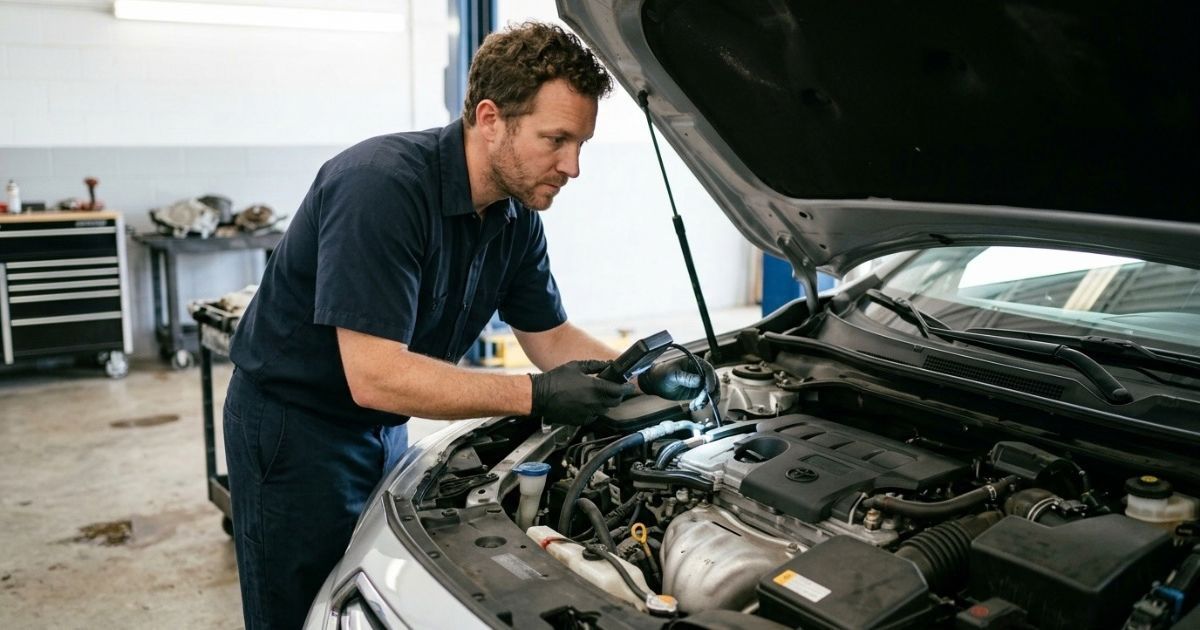
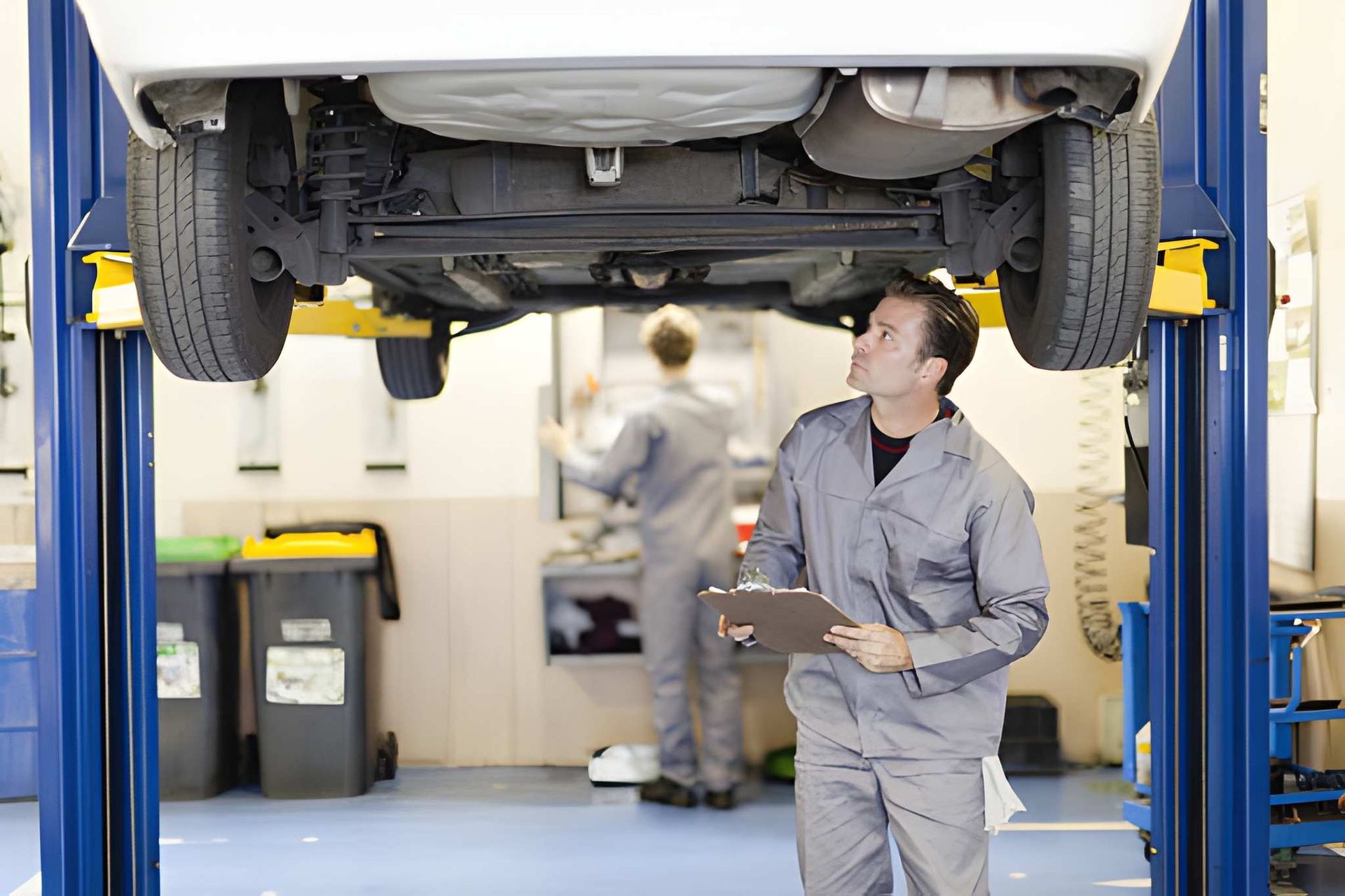
When you bring your vehicle to Premier Auto Service Center for a brake inspection, our ASE-certified technicians carefully examine the entire braking system.
This includes checking:
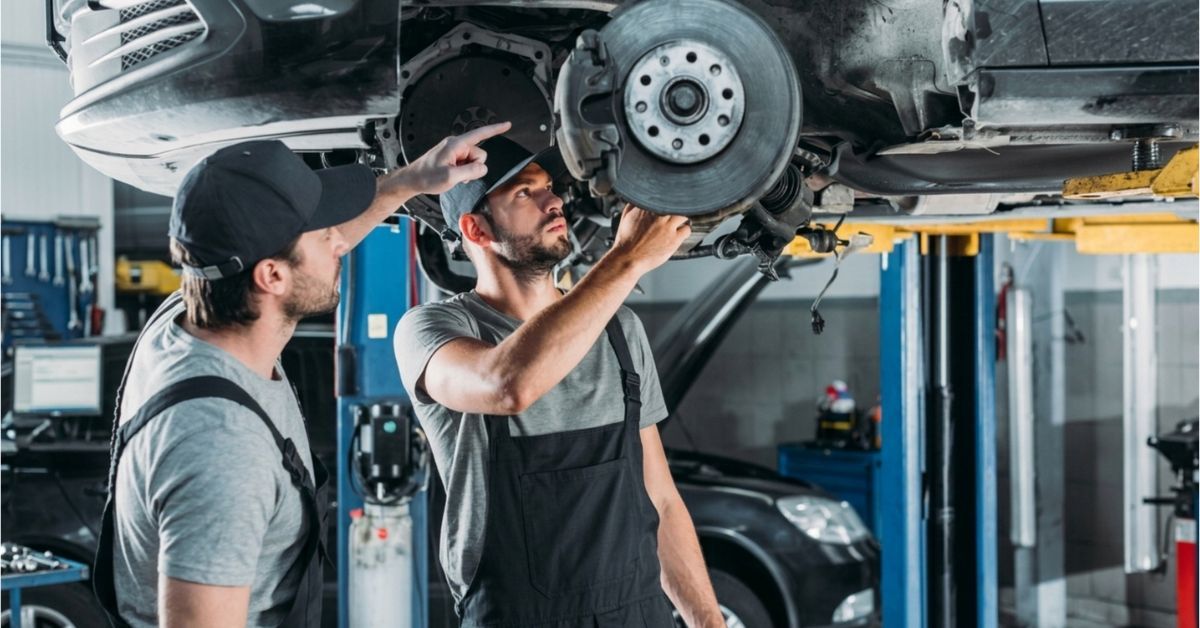
- Brake pad thickness
- Rotor condition
- Brake fluid quality
- Calipers and hardware
- Brake lines and hoses
- Overall braking performance
We also inspect related steering and suspension components because these systems directly affect handling and safety. Our goal is to help you understand the condition of your vehicle clearly and honestly without pressure or confusion.
Why Cape Coral Drivers Trust Premier Auto Service Center
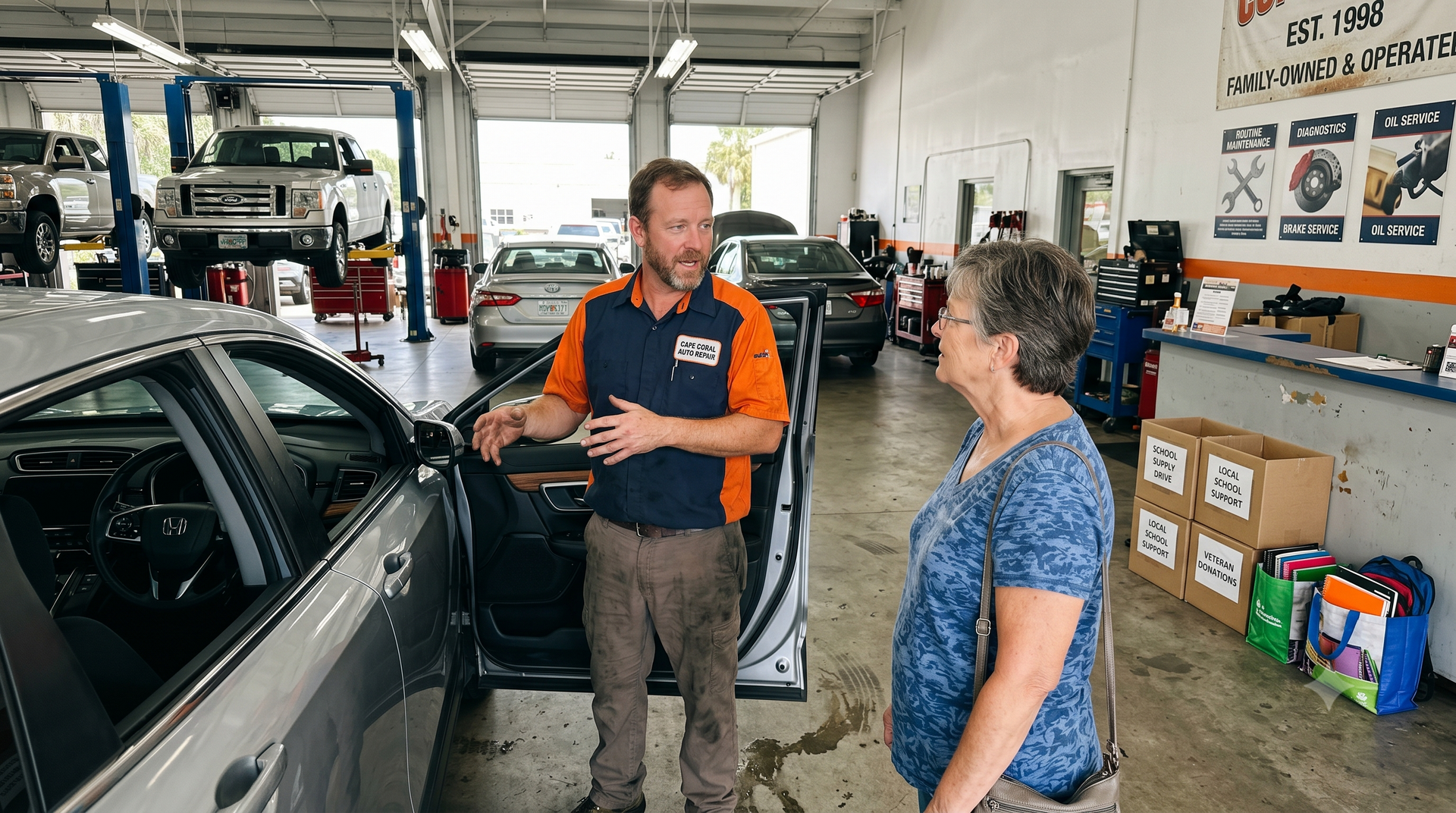
At Premier Auto Service Center, we understand that trust matters when it comes to vehicle repairs. As a family-owned shop in Cape Coral, we believe in treating every customer like family. We take the time to explain repairs, answer questions, and help you make informed decisions about your vehicle.
Our team is committed to:
- Honest communication
- Quality workmanship
- Safety-focused service
- Reliable brake repairs
- Long term customer relationships
Whether your vehicle needs a simple brake inspection or more advanced brake repair, we are here to help keep you safe and confident behind the wheel.
Frequently Asked Questions About Brake Inspections
How long do brake pads usually last?
Most brake pads last between 30000 and 70000 miles, depending on driving habits and road conditions.
Can I drive with squeaky brakes?
Squeaky brakes may indicate worn brake pads. It is best to have them inspected before the problem worsens.
How much does a brake inspection cost?
Brake inspection costs can vary, but many inspections are affordable and can save you money by preventing larger repairs later.
What causes brakes to wear faster?
Frequent braking, heavy traffic, towing, aggressive driving, and Florida heat can all contribute to faster brake wear.
Do brake problems affect steering?
Yes. Brake issues can impact steering stability and handling, especially if rotors are uneven or suspension components are involved.
Keep Your Brakes Road-Ready in Cape Coral
If your brakes are making noise, your vehicle does not feel as responsive as it should, or you simply want peace of mind, now is the perfect time to schedule a brake inspection. At Premier Auto Service Center, we are proud to help Cape Coral drivers stay safe with honest brake inspections and reliable brake repair services.