A road trip around Southwest Florida sounds easy enough. Fill the tank, load the bags, set the GPS, and head toward Fort Myers, Naples, the beaches, or wherever the weekend takes you. But longer drives have a way of exposing problems that short trips around Cape Coral may not. Maybe the tires have been losing a little pressure. The brakes feel slightly different than they did a few months ago. You are close to your next oil change, or you have noticed the coolant level dropping but have not figured out why.
None of those signs automatically means a major repair is coming. They do mean a road trip car inspection is worth scheduling before you leave. The goal is not to replace parts just because you are traveling. It is to check the vehicle, identify anything that could affect safety or reliability, and take care of the problems that actually need attention.
Start With a Pre-Trip Inspection
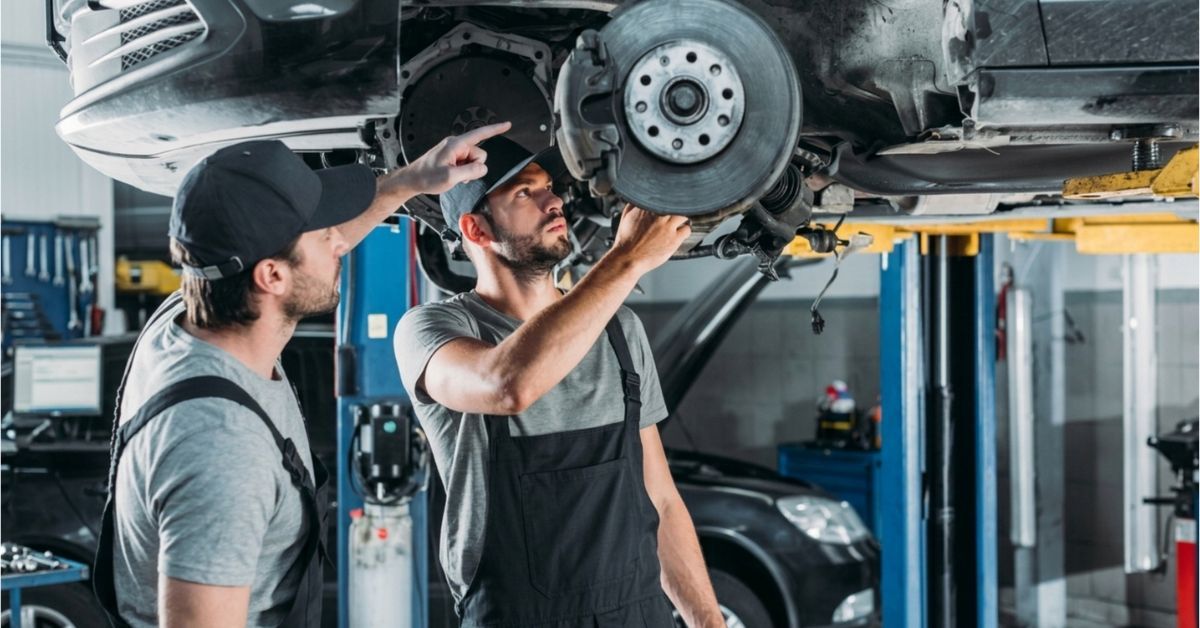
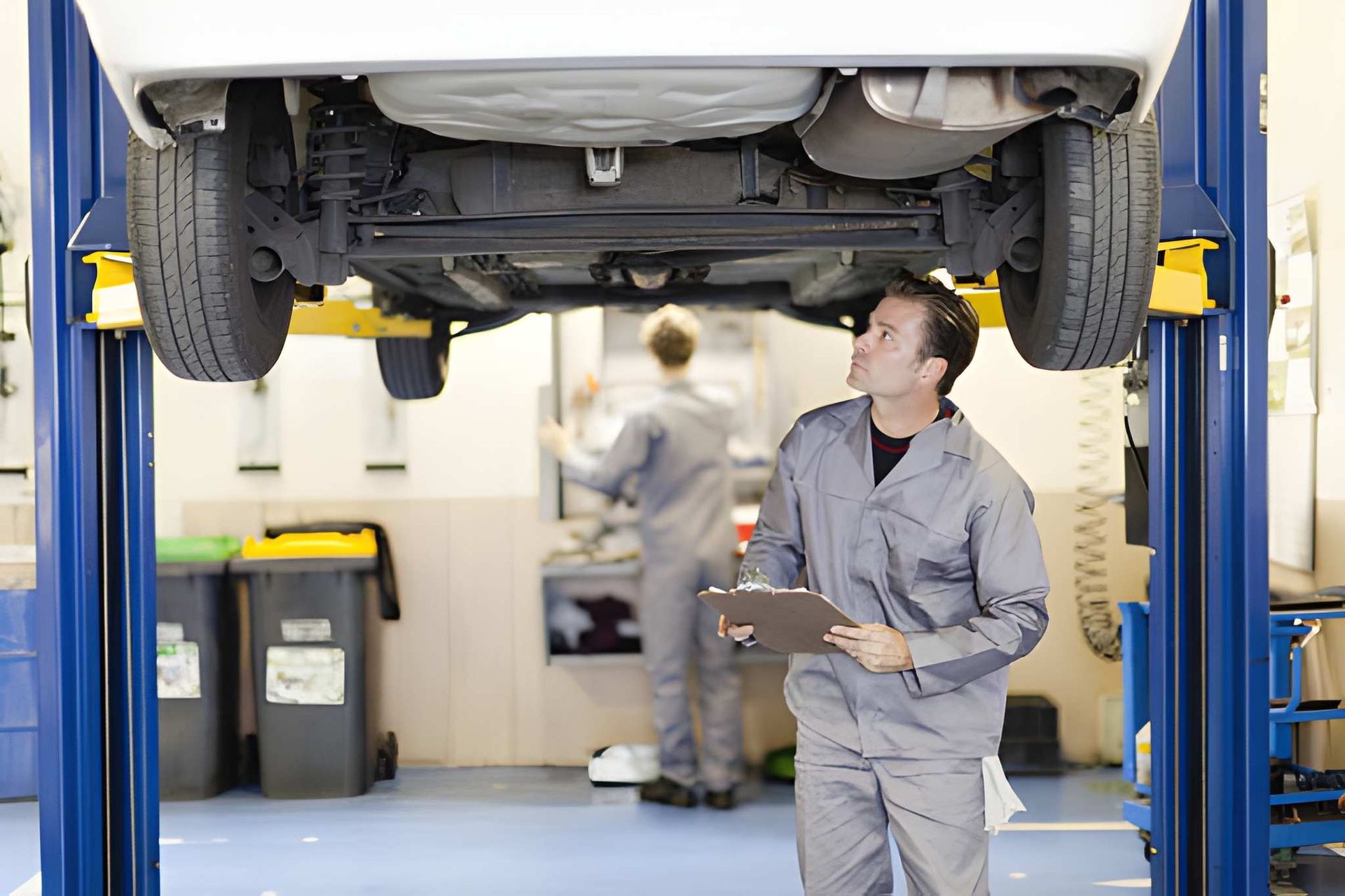
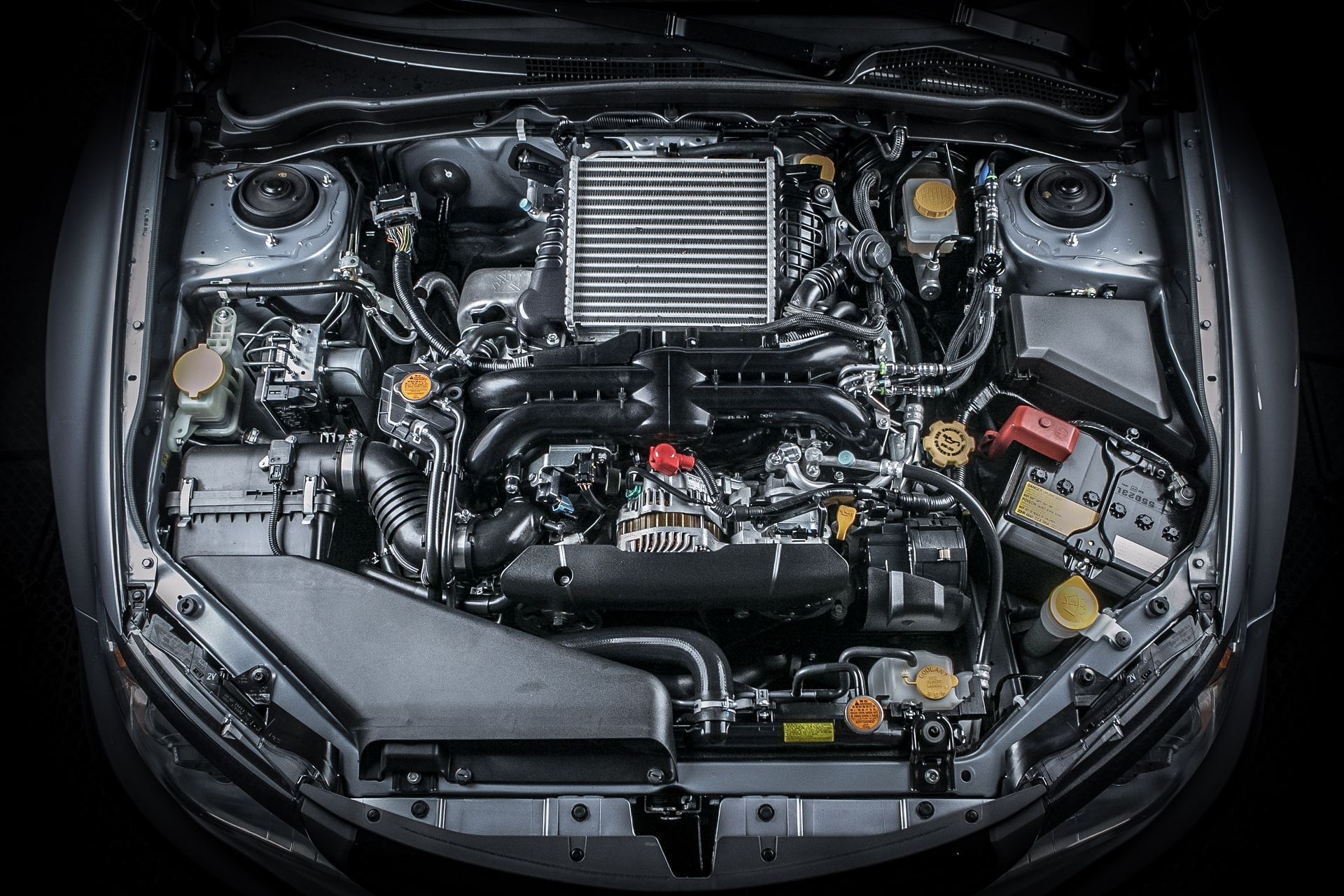
A good pre-trip vehicle inspection gives you a clearer picture of the car before you add highway miles, Florida heat, heavy rain, traffic, and extra weight from passengers or luggage. The inspection should look at the systems most likely to affect the trip, including the brakes, tires, battery, cooling system, fluids, belts, hoses, lights, and wipers.
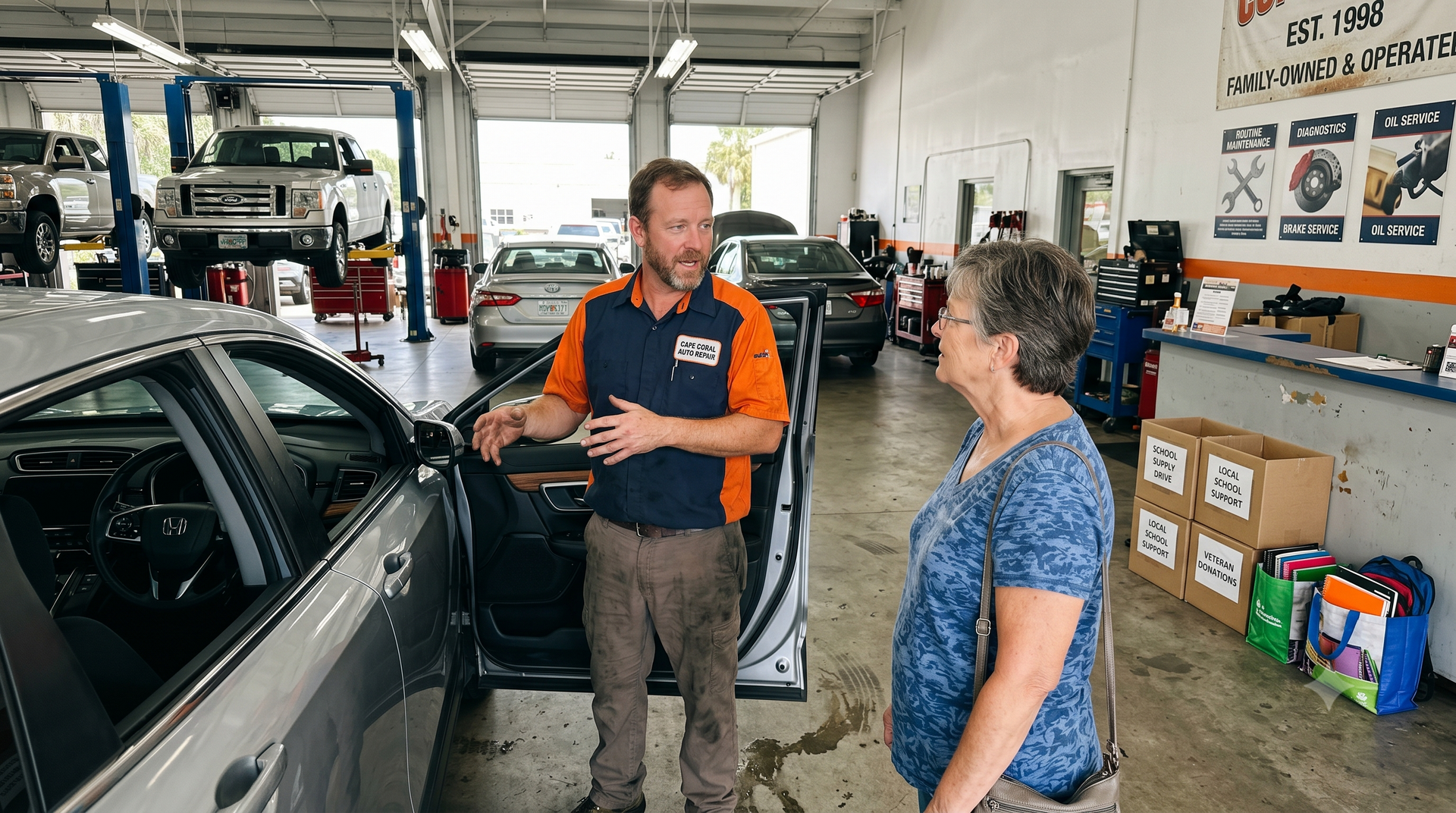
If something already feels different while driving, mention it before the inspection begins. Maybe the steering wheel vibrates at highway speed. Maybe you hear a noise when braking. Perhaps the engine takes longer to start in the morning. Those details help guide the testing. Premier Auto Service Center offers inspection and diagnostic services in Cape Coral that include checks of the braking system, cooling system, battery and charging system, tires, alignment, fluids, and other important vehicle systems. The idea is simple: find out what is happening before guessing what needs replacement.
Check Whether Your Oil Service Is Due
If your oil change is already due or will become due during the trip, taking care of it before leaving is usually more convenient. Engine oil helps lubricate moving components and manage the heat created inside the engine. Long highway drives do not automatically damage old oil, but there is little benefit in beginning a trip already overdue for maintenance.
Do not rely only on the windshield sticker. Check the manufacturer-recommended interval for your vehicle, the mileage since the last service, and the type of driving you normally do. If you notice an oil warning light, unusually low oil level, visible leakage, or new engine noise, that is different from routine maintenance. Those symptoms deserve diagnosis before simply adding oil. Premier Auto Service Center provides oil change service in Cape Coral and includes a visual vehicle inspection with oil service, giving technicians another opportunity to notice developing concerns before a longer drive.
Have the Brakes Checked Before Heavy Traffic
Southwest Florida road trips can involve plenty of stop-and-go traffic, especially around busy beach routes, bridges, tourist areas, and holiday weekends. Your brakes should feel predictable before you leave. Pay attention to squealing, grinding, vibration, pulling, or a brake pedal that feels softer or lower than normal. You may also notice that the vehicle takes slightly more effort to slow down.
Those symptoms do not automatically mean you need brake pads. Worn pads are one possibility, but rotor condition, calipers, brake fluid, hydraulic components, or other parts of the system may also be involved. A proper brake inspection at Premier Auto Service Center helps identify what is actually worn or malfunctioning before repair decisions are made. If the brakes feel noticeably different now, do not wait for the trip to see whether the problem gets worse.
Look Closely at the Tires
Tires deserve extra attention before any longer Florida drive. Check tread depth, pressure, and visible condition. Look for cracking, bulges, cuts, or uneven wear. Florida heat can be hard on tires, and long stretches of highway driving generate additional heat inside them. Correct inflation matters for stability, tire wear, and safe handling.
If one tire keeps losing pressure, do not just refill it before the trip and hope it holds. The source may be a puncture, valve issue, wheel problem, or another leak that should be identified. Uneven tread also deserves attention. Alignment or suspension problems can cause a tire to wear much faster on one edge than another. Premier Auto Service Center offers tire services in Cape Coral, including tire rotation, alignment-related service, and flat-tire repair. A tire inspection before the trip gives you time to correct a problem instead of discovering it on the shoulder of the highway.
Check the Cooling System Before Florida Heat Tests It
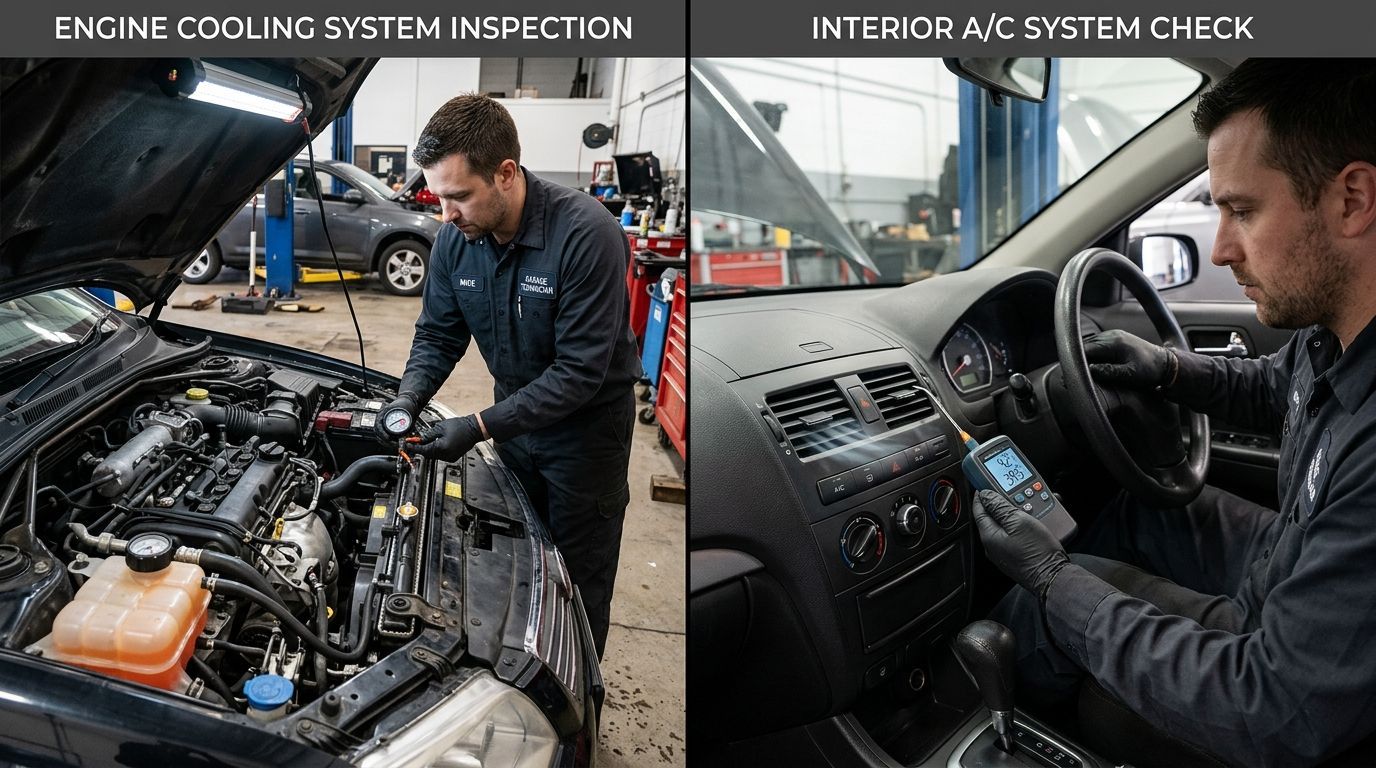
A road trip car inspection in Southwest Florida should always include the cooling system. The engine produces a tremendous amount of heat, and the cooling system has to control it whether you are moving at highway speed or sitting in traffic with the air conditioning running. Check the coolant level when the engine is cold and look for visible leaks or dried coolant residue.
A sweet smell, rising temperature gauge, steam, or coolant that repeatedly becomes low should not be ignored. Adding coolant may temporarily restore the level, but it does not explain why the fluid disappeared. A leak may come from a hose, radiator, water pump, reservoir, connection, or another cooling-system component. Testing the system before travel can help catch a smaller leak before it becomes an overheating problem several hours from home.
Test the Battery and Charging System
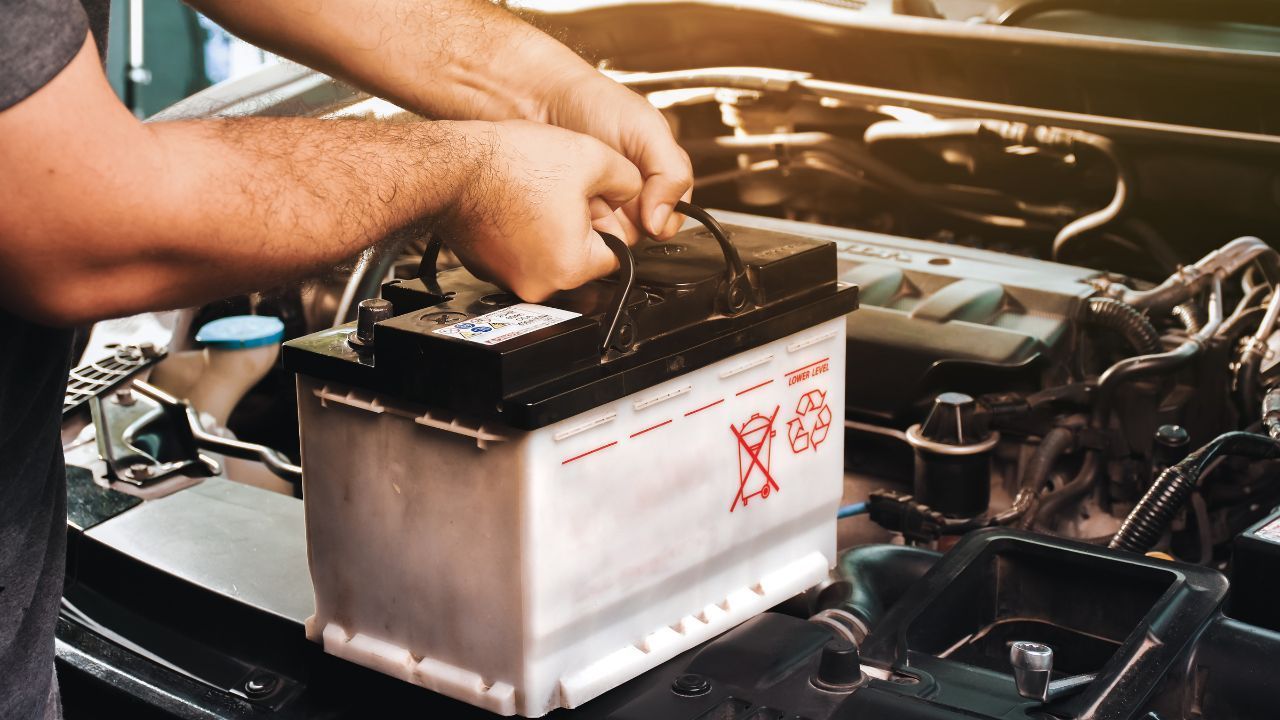
Florida drivers sometimes think of battery trouble as a cold-weather problem. Heat can be hard on batteries too. If the engine has started cranking more slowly, the battery is several years old, or you have needed a jump recently, have the battery and charging system tested before leaving town. Do not automatically replace the battery because the car starts slowly.
Corroded connections, charging problems, wiring issues, or a weak starter can sometimes create similar symptoms. Testing helps separate a weak battery from another electrical problem. That matters on a road trip because a vehicle that starts normally at home may be much less convenient when it refuses to restart at a restaurant, hotel, or fuel stop.
Check the Fluids, but Find Out Why Anything Is Low
Before the trip, check the fluids that apply to your vehicle. That may include engine oil, coolant, brake fluid, transmission fluid, power steering fluid where applicable, and windshield washer fluid. The level is only part of the story. If a fluid that normally should not disappear keeps becoming low, the better question is why.
For example, repeatedly adding coolant without checking for a leak can allow a cooling-system problem to continue. Low brake fluid may relate to brake wear or a hydraulic problem that deserves inspection. The purpose of a fluid check is not simply to fill everything to the line. It is to confirm that each system is operating normally.
Do Not Forget Wipers, Lights, and Visibility
Southwest Florida weather can change quickly. A clear drive can turn into heavy rain in minutes, so the windshield wipers should clear the glass without streaking, skipping, or chattering. Check the washer system too. Headlights, brake lights, turn signals, hazard lights, and taillights should all be working before you leave.
These may seem like small items compared with brakes or engine cooling, but poor visibility during a Florida downpour can quickly become a real safety problem. If new wiper blades still do not clear the glass evenly, the issue may involve the wiper arm or another component. Again, check the cause instead of assuming the first part is always the answer.
Pay Attention to Warning Lights Before You Leave
A dashboard warning light should not become part of the scenery just because it has been on for a while. Before a road trip, find out what the vehicle is trying to tell you. A check engine light, ABS warning, battery light, tire-pressure warning, or temperature warning each relates to a different system.
Scanning for a trouble code can provide useful direction, but a code does not always identify the failed part. Proper diagnostic testing determines whether the issue is a sensor, wiring fault, mechanical problem, fuel concern, electrical issue, or something else. That is why road trip preparation should include diagnosis when a warning light is already present, not simply clearing the light before departure.
Schedule the Inspection Before the Day You Leave
Try not to schedule your road trip car maintenance the afternoon before departure. If the inspection finds worn tires, brake concerns, a weak battery, or a cooling-system leak, you want enough time to understand the findings and make a reasonable decision. Some items may need attention before travel.
Others may still be safe to monitor and handle later. Premier Auto Service Center is a family-owned shop serving Cape Coral, Fort Myers, and the surrounding Southwest Florida area. The goal is to identify the underlying cause of a problem, explain the options clearly, and help customers prioritize service based on actual vehicle condition. A good pre-trip inspection should make your plans easier, not turn into an unnecessary list of repairs.
Frequently Asked Questions
What Should I Check Before a Florida Road Trip?
Check the tires, brakes, engine oil, coolant, battery, other applicable fluids, belts, hoses, lights, wipers, and dashboard warning lights. Any unusual noises, leaks, vibration, or changes in how the vehicle drives should also be inspected.
Should I Change My Oil Before a Road Trip?
If the oil service is due or will become due during the trip, completing it beforehand is practical. If the vehicle is well within its manufacturer-recommended interval and the oil level is correct, an early oil change may not be necessary.
Should I Rotate My Tires Before Traveling?
If the tires are due for rotation, doing it before the trip can support more even wear. Tire condition, pressure, tread depth, and alignment should also be checked rather than focusing only on rotation.
How Do I Know if My Brakes Are Ready for a Road Trip?
A professional inspection can measure brake wear and evaluate the condition of the rotors, calipers, fluid, and related components. Noise, vibration, pulling, warning lights, or changes in pedal feel are reasons to have the brakes checked sooner.
Why Is a Cooling System Check Important in SW Florida?
Southwest Florida heat, traffic, and extended driving can place a heavy demand on the cooling system. Low coolant, leaks, worn hoses, or another developing problem can eventually lead to overheating.
How Early Should I Schedule a Pre-Trip Vehicle Inspection?
Several days to a week before a longer trip gives you more flexibility than waiting until the last minute. If the vehicle already has a warning light, leak, brake concern, overheating symptom, or tire problem, schedule the inspection sooner.
Start Your SW Florida Road Trip With Fewer Unknowns
Before you load the luggage and head out of Cape Coral, let Premier Auto Service Center check the systems that matter most for a safe, reliable drive. We can look at your oil, brakes, tires, fluids, battery, cooling system, and any symptoms you have noticed before recommending what actually needs attention. You will get clear information about what should be handled before the trip, what can wait, and what simply needs to be monitored, so you can plan your service without unnecessary guesswork.