Why Changing My Battery Is More Complicated in Newer Vehicles

April 30, 2026

Jennifer Filzen

If you’ve ever replaced a car battery in the past, you probably remember how simple it used to be: pop the hood, disconnect a couple of terminals, swap it out, and you’re done. But today, car battery replacement in newer vehicles is a completely different story.

Modern cars are smarter, more efficient, and packed with advanced technology, but that also means something as simple as a battery swap has become more complex than ever. If you’ve tried doing it yourself or are thinking about it, you may have already noticed it’s not as straightforward as it used to be.

Let’s break down why car battery replacement in newer vehicles is more complicated, what risks you should watch out for, and how to handle it the right way.

It’s Not Just a Battery Anymore

One of the biggest reasons car battery replacement in newer vehicles is more complicated is that your battery is no longer just a power source; it’s part of a larger system.

Today’s vehicles rely on:

  • Advanced onboard computers
  • Sensors and modules
  • Start-stop technology
  • Electronic steering and suspension systems

Your battery powers all of these components. When it’s removed or replaced incorrectly, it can disrupt multiple systems at once. That’s why car battery replacement in newer vehicles often requires more than just swapping parts; it requires protecting your vehicle’s electronics.

Battery Management Systems (BMS) Change Everything

Modern vehicles use something called a Battery Management System (BMS). This system monitors:

  • Battery charge level
  • Performance and lifespan
  • Energy distribution across your vehicle

When performing a car battery replacement in newer vehicles, the BMS often needs to be reset or reprogrammed.

If this step is skipped:

  • Your new battery may not charge properly
  • Warning lights may appear
  • Electrical systems can behave unpredictably

This is one of the biggest reasons DIY battery swaps can lead to unexpected problems.

Not All Batteries Are the Same Anymore

Another reason car battery replacement in newer vehicles is more complicated is the type of battery required. Many newer vehicles use AGM (Absorbent Glass Mat) batteries instead of traditional ones.

These batteries:

  • Handle higher electrical demands
  • Support start-stop systems
  • Last longer but cost more

Installing the wrong type during car battery replacement in newer vehicles can lead to:

  • Reduced battery life
  • Poor performance
  • Potential damage to electrical systems

Your Car Needs to “Relearn” After a Battery Change

Here’s something many drivers don’t realize: after a car battery replacement in newer vehicles, your car may need to relearn certain settings.

This can include:

  • Idle speed adjustments
  • Transmission shift patterns
  • Steering calibration
  • Suspension system responses

Without proper recalibration, your vehicle might feel “off” or even unsafe to drive. This is especially important for systems like steering and suspension, where precise adjustments directly impact control and safety.

DIY Battery Replacement Can Trigger Bigger Problems

We understand the appeal of doing it yourself; it feels faster and cheaper. But with car battery replacement in newer vehicles, DIY mistakes can get expensive quickly.

Common issues include:

  • Electrical system malfunctions
  • Dashboard warning lights
  • Lost radio, navigation, or memory settings
  • Damage to sensitive electronics

In some cases, improper car battery replacement in newer vehicles can even lead to no-start conditions, leaving you stranded instead of saving money.

Safety Systems Depend on Proper Installation

Modern vehicles are built with safety in mind, and many of those systems depend on a properly functioning battery.

During car battery replacement in newer vehicles, incorrect installation can impact:

  • Electronic steering systems
  • Suspension control modules
  • Stability control systems
  • Brake assist features

At Premier Auto Service Center, we always emphasize safety first because your vehicle’s performance is only as reliable as the systems behind it.

Florida’s Climate Makes It Even Tougher

Here in Cape Coral, heat and humidity add another layer of complexity to car battery replacement in newer vehicles.

High temperatures can:

  • Shorten battery lifespan
  • Increase electrical strain
  • Causes faster wear and tear

That’s why routine inspections and proper installation matter even more in our local climate.

When Should You Replace Your Battery?

Knowing when to replace your battery can save you from unexpected breakdowns.

Watch for these signs:

  • Slow engine crank
  • Dimming lights
  • Electrical glitches
  • Warning lights on your dashboard

If you notice any of these, it’s time to consider car battery replacement in newer vehicles before it becomes an emergency.

Trust the Experts for Peace of Mind

At Premier Auto Service Center, we know how important your vehicle is to your daily life. That’s why we take extra care with every car battery replacement in newer vehicles.

Our ASE-certified technicians:

  • Use the correct battery for your vehicle
  • Perform proper system resets and programming
  • Check related systems like steering and suspension
  • Ensure your vehicle is safe and ready for the road

We treat your car like it’s our own because your safety matters to us.

Frequently Asked Questions

Can I replace my battery myself?

You can, but car battery replacement in newer vehicles often requires programming and system resets, which most DIY setups don’t support.

Why does my car act weird after a battery change?

Your vehicle may need system recalibration. This is common after a car battery replacement in newer vehicles.

Do all new cars need battery registration?

Not all, but many do. Skipping this step during car battery replacement in newer vehicles can affect performance.

How long do modern car batteries last?

Typically, 3–5 years, but Florida’s heat can shorten that lifespan.

Is it more expensive to replace a battery now?

Yes, because car battery replacement in newer vehicles involves advanced components, specialized batteries, and labor

Schedule Your Battery Service Today

Don’t wait until your car won’t start. If your battery is showing signs of wear, let our team handle your car battery replacement in newer vehicles the right way.
Schedule your appointment online and experience honest service, expert care, and a team that puts your safety first every time.


By candsauto-9555-websiteredesign March 31, 2026
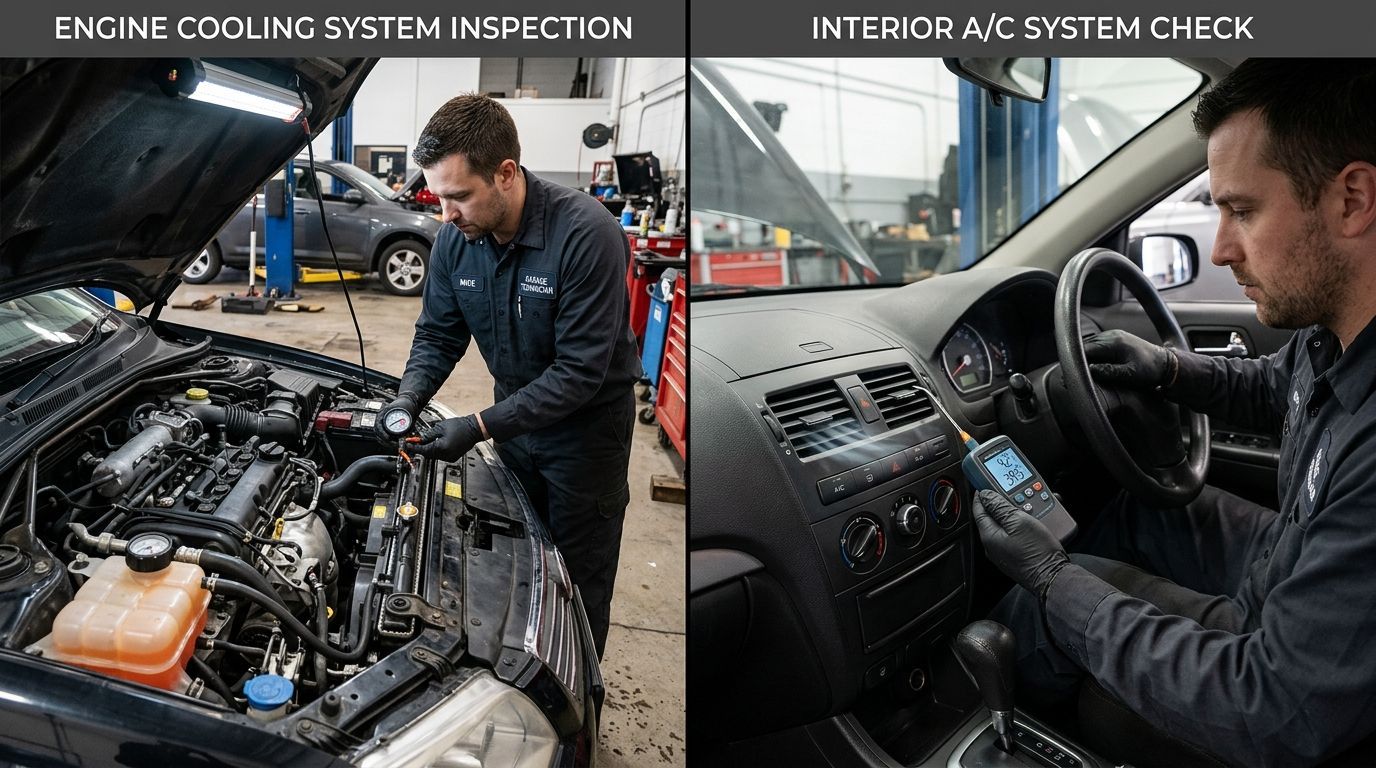
Why Understanding Your Vehicle’s Systems Matters Living in Cape Coral, Florida, drivers know just how important it is to keep their vehicles running cool—both inside the cabin and under the hood. With our year-round sunshine and high humidity, two systems in your car work especially hard: the engine cooling system and the air conditioning system. But many drivers assume they’re the same thing. In reality, understanding the Car Cooling System vs A/C System can help you recognize problems sooner, avoid costly repairs, and stay comfortable on the road. While both systems involve temperature control, they serve very different purposes. At Premier Auto Service Center, we often see drivers confused about whether an issue is related to the cooling system or the air conditioning. Knowing the difference between a Car Cooling System vs A/C System can help you explain symptoms to your technician and ensure your vehicle gets the right repair. Let’s take a closer look at how each system works and why both are essential for your vehicle’s performance and comfort. What Is a Car Cooling System? When discussing the Car Cooling System vs A/C System, it’s important to start with the engine cooling system. This system is responsible for regulating your engine’s temperature and preventing it from overheating. Your engine produces a tremendous amount of heat while running. Without a cooling system, those temperatures would quickly rise high enough to damage critical engine components. Key Components of the Cooling System Your vehicle’s cooling system includes several important parts that work together: Radiator – Dissipates heat from the coolant Coolant (antifreeze) – Absorbs and transfers heat away from the engine Water Pump – Circulates coolant throughout the engine Thermostat – Regulates engine temperature Cooling Fans – Help remove heat from the radiator Hoses and Reservoir – Transport and store coolant When comparing the Car Cooling System vs A/C System, the cooling system focuses entirely on engine protection. Signs of Cooling System Problems Because the cooling system protects your engine, issues with it should never be ignored. Common warning signs include: Engine overheating Steam coming from under the hood Coolant leaks Sweet smell from antifreeze Temperature gauge running hot If you notice these symptoms, it’s important to schedule service immediately. Engine overheating can lead to serious and expensive damage if left unresolved. What Is a Car A/C System? Now let’s look at the other side of the Car Cooling System vs A/C System comparison: the air conditioning system. Unlike the cooling system, your car’s A/C system isn’t designed to protect the engine. Instead, it cools the air inside the cabin to keep you and your passengers comfortable. During Florida’s hot summers, this system becomes essential. Key Components of the Car A/C System The air conditioning system relies on several specialized components: Compressor – Pressurizes refrigerant Condenser – Releases heat from refrigerant Evaporator – Absorbs heat from the cabin air Refrigerant – The cooling fluid circulating through the system Expansion Valve or Orifice Tube – Controls refrigerant flow When explaining the Car Cooling System vs A/C System, the biggest difference is that the A/C system manages cabin comfort, not engine temperature. Signs of A/C System Problems A failing air conditioning system usually presents itself through comfort-related issues such as: Air not blowing cold Weak airflow from vents Strange smells from the vents Clicking noises when the A/C runs Moisture buildup inside the vehicle At Premier Auto Service Center, our ASE-certified technicians diagnose these issues quickly to restore your comfort on the road. Car Cooling System vs A/C System: The Key Differences Understanding the Car Cooling System vs A/C System helps drivers recognize which system might be causing an issue. Here’s a simple breakdown. Purpose Cooling System: Keeps the engine from overheating. A/C System: Keeps the vehicle’s interior cool and comfortable. Fluids Used Cooling System: Uses coolant or antifreeze. A/C System: Uses refrigerant. Main Components Cooling System: Radiator, thermostat, coolant, water pump. A/C System: Compressor, condenser, evaporator. Location of Cooling Effect Cooling System: Inside the engine. A/C System: Inside the vehicle cabin. Even though the Car Cooling System vs A/C System operate separately, they can influence each other in certain situations. Can One System Affect the Other? This is a common question we hear from customers at Premier Auto Service Center. While they serve different purposes, the Car Cooling System vs A/C System are connected in some ways. For example: If your engine overheats, the vehicle may automatically shut off the A/C to reduce strain on the engine. The radiator and A/C condenser sit close together, meaning airflow affects both systems. Cooling fans often assist both systems in removing heat. This is why problems with the cooling system can sometimes make it seem like your air conditioning is failing. When drivers understand the relationship between the Car Cooling System vs A/C System, diagnosing issues becomes much easier. Seasonal Maintenance Tips for Florida Drivers Florida’s climate can put extra strain on both systems. That’s why routine maintenance is key to keeping your vehicle running smoothly. Here are a few preventative tips our team recommends: Schedule Cooling System Inspections Your cooling system should be inspected regularly to ensure coolant levels, hoses, and the radiator are functioning properly. Replace Coolant at Recommended Intervals Over time, coolant breaks down and loses effectiveness. Flushing and replacing coolant prevents overheating. Test Your A/C Before Summer Don’t wait until temperatures soar. Have your air conditioning system checked early in the season. Watch for Early Warning Signs Strange noises, weak cooling, or temperature fluctuations are all signs that service may be needed. Routine service helps prevent costly repairs and keeps both sides of the Car Cooling System vs A/C System operating efficiently. Why Professional Diagnostics Matter Modern vehicles are more complex than ever. Diagnosing problems related to the Car Cooling System vs A/C System requires specialized tools and training. At Premier Auto Service Center, our ASE-certified technicians perform detailed inspections to pinpoint the exact cause of the problem. We check: Cooling system pressure Radiator performance Thermostat operation Refrigerant levels Compressor functionality Our goal is simple: provide honest recommendations and reliable repairs that keep your vehicle safe and comfortable. Frequently Asked Questions Is the cooling system the same as the air conditioning system? No. The Car Cooling System vs A/C System perform completely different functions. The cooling system protects your engine from overheating, while the A/C system cools the air inside the cabin. Can a bad cooling system affect my A/C? Yes. In some cases, engine overheating can cause the vehicle to shut down the air conditioning system to protect the engine. Why does my car overheat when the A/C is on? This can happen if the cooling system is already under strain. A failing radiator, weak fan, or low coolant may be the cause. How often should my cooling system be serviced? Most vehicles benefit from a cooling system inspection at least once a year or every 12,000 miles. How often should my A/C system be checked? We recommend testing your air conditioning system before the start of summer to ensure it’s ready for Florida’s heat. Trust Premier Auto Service Center for Cooling & A/C Repairs Whether you’re dealing with engine overheating or an air conditioner that isn’t blowing cold, understanding the Car Cooling System vs A/C System is the first step toward solving the problem. At Premier Auto Service Center in Cape Coral, we’re proud to provide honest, reliable service for local families, retirees, and working professionals throughout Lee County.Our team is committed to keeping your vehicle running safely and comfortably year-round. If you suspect an issue with your cooling system or air conditioning, don’t wait until the problem gets worse.  Schedule your appointment today with Premier Auto Service Center and let our experienced technicians keep your vehicle cool, reliable, and road-ready.
By Jennifer Filzen March 1, 2026
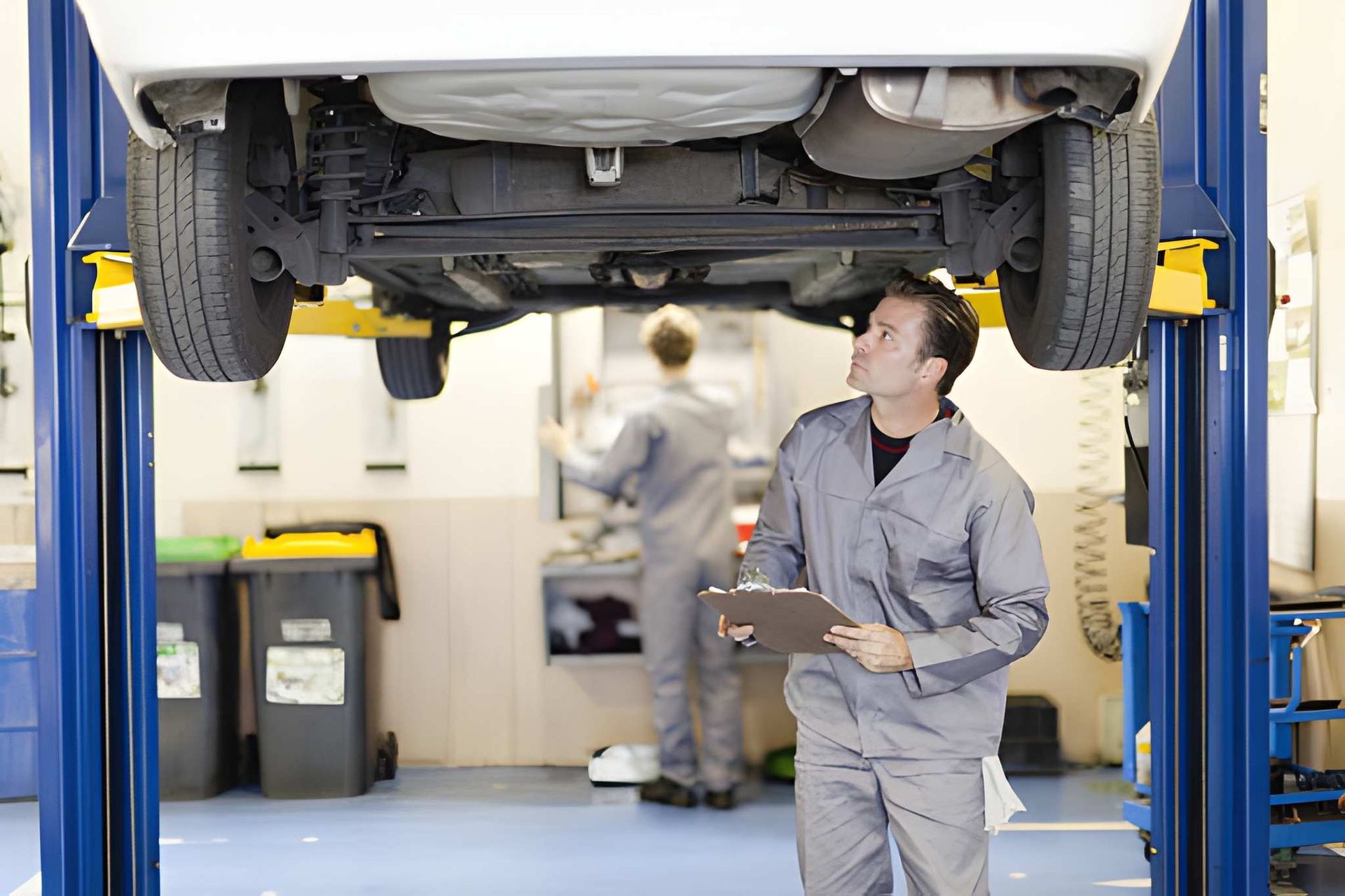
Before you get a repair quote, your vehicle needs a diagnostic. Learn why diagnostics are needed before a repair quote, how it saves you money, and what to expect during the process.
Mechanic inspecting car raised on a lift; another worker in the background, auto shop interior. | Premier Auto Service Center of SW Florida LLC
February 4, 2026
Learn how rodent car damage and other animal activity can affect your car, warning signs to watch for, and how Premier Auto Service Center in Cape Coral can help protect your vehicle.
Blog | Premier Auto Service Center
September 30, 2025
Introduction As the skies shift and temperatures fall (at least a bit), Fall is a great time to give your vehicle some extra attention. ...
Blog | Premier Auto Service Center
August 31, 2025
September in Cape Coral means the height of Florida’s rainy season, with daily downpours, sudden storms, and sky-darkening clouds that can ...
Blog | Premier Auto Service Center
July 31, 2025
If you’ve spent any time in Cape Coral this summer, you know one thing for sure — your car’s A/C has been working overtime. With average ...
Blog | Premier Auto Service Center
June 30, 2025
We’ve all been there — coffee cups rolling around, receipts piling up, and that elusive phone charger slipping between the seats. If your ...
Blog | Premier Auto Service Center
June 1, 2025
Car lights play a crucial role in keeping you safe on the road, but there are many misconceptions about how they work and when they should be used. From common myths about headlights to misunderstandings about brake and turn signals, misinformation can lead to unsafe driving conditions.
Blog | Premier Auto Service Center
April 30, 2025
A reliable car battery is essential for keeping your vehicle running smoothly, especially in Cape Coral’s warm and humid climate.
Blog | Premier Auto Service Center
April 1, 2025
Regular oil changes are one of the most important maintenance services for keeping your engine running smoothly.